


The importance of playtime to the development of healthy brains, bodies, and social ties cannot be overstated. The many different kinds of play, such as peek-a-boo, pat-a-cake, hide-and-seek, and hopscotch, each contribute in their own unique way to the development and growth of children. Playing video games is not only fun, but it’s also a great method to hone skills like visual perception and the capacity to switch between different activities. In point of fact, gamers have a higher average score on these kinds of examinations than non-gamers do.
What is Video Game Science?
Over the years video games have been praised and demonized, often without the benefit of solid data. Nevertheless, many researchers and policymakers have focused on the link between gameplay time and mental health. However, most studies rely on subjective estimates of video game play and have therefore been limited by the accuracy of self-reporting.
Video game scientists are now exploring the potential of directly measuring players’ gameplay through telemetry and then examining the association between that objective measure of video game play and subjective well-being. This approach is likely to be more robust than relying on self-reports of gameplay.
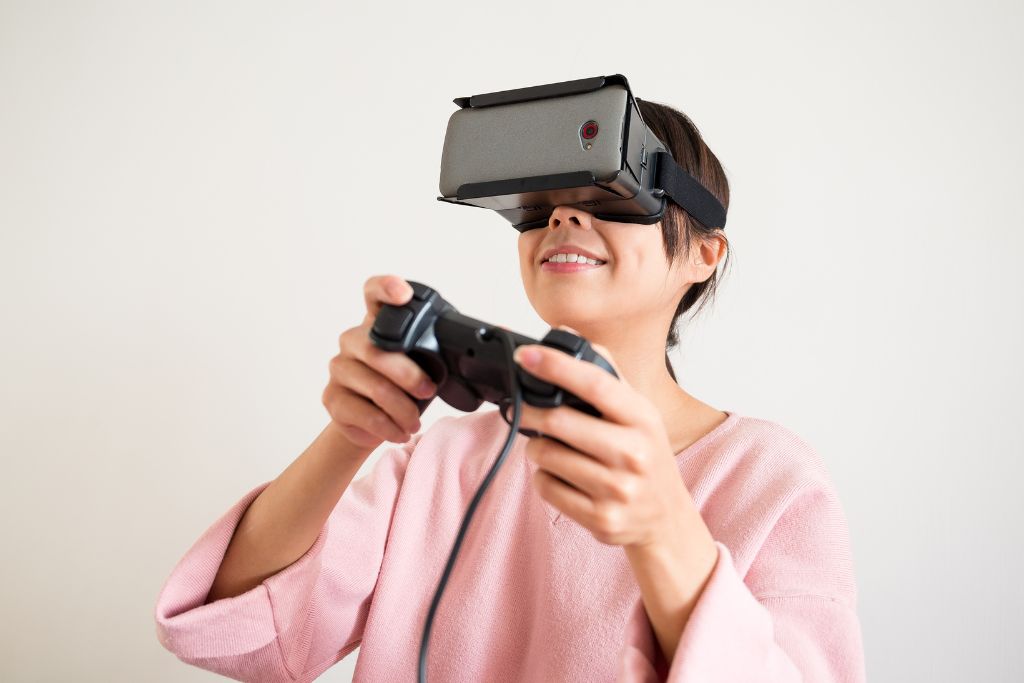
The goal of video game science is to make the process of scientific research fun and rewarding. One way is by designing games that bake the process of collecting data into their mechanics, a trend known as citizen science gaming. This new approach is helping to reshape what it means to do science.
How Does Video Game Science Work?
Video games teach us about a variety of subjects, from world history to cooking, politics, and chemistry. But the most exciting science video games are those that allow players to participate in real-world scientific research. This growing movement is known as citizen science.
Unlike most games, where players must push a button to match a symbol on the screen within a limited amount of time (known as quick-time events or QTEs), these research games ask players to interact with actual scientific data. The games integrate this data collection and analysis into their gameplay, making it fun and rewarding.

Policymakers need accurate behavioral data to understand the benefits and costs of video game playing. This requires collaborating with industry data scientists who can record objective measures of video game engagement using device telemetry. This gap in data deprives health policymakers of the high-quality evidence they require to inform possible regulations on video games.
What Are Some Examples of Video Game Science?
Video games have often been praised or demonized without any actual data backing up these sensationalist claims. This is especially true of action-entertainment games, which tend to attract kids with focus, attention, and anger issues. But these games can also help kids develop visual skills and multitasking abilities.
Playing these games also floods the brain with dopamine, which gives gamers a rush. But over time, it can cause the brain to stop producing this important neurotransmitter.

While researchers have long relied on self-reports to understand how video game players think and feel, some groups are starting to collect directly measured gameplay data. This information can then be used to inform health policymakers. In addition, these behavioral data can be used to improve video game design. Currently, many of the most popular games do not provide players with enough feedback on their progress or the level of challenge they are facing. Adding more of these features could help make video games more engaging for kids and adults.
How Can Video Game Science Help Us?
The video game industry is huge, generating more revenue than the movie industry does, and with billions of players worldwide. It’s no wonder that sensational claims are sometimes made about gaming and its impact on the world around us.
Video games have the potential to promote science education in a variety of ways. These include embedding scientific practices, supporting crosscutting concepts, and providing collaborative gameplay structures. Many commercial games also offer immediate feedback at multiple grain sizes, much like experienced tutors would provide.

One of the challenges facing researchers is how to measure gameplay engagement and perceptions. The current standard approach, based on self-reports, is problematic because it is notoriously inaccurate and biased. A recent report by a UK Parliamentary Select Committee has called for game companies to collaborate with independent scientists to obtain more direct measures of play time and perceptions. However, this is just one piece of the puzzle. Many other factors are involved in promoting optimal health, and ideally, games should be evaluated in the context of a multifaceted framework for science education.
This insightful article “Ethics of Loot Boxes in Video Games” discusses loot boxes in video games and their potential effects on gamers and the gaming business. It also discusses the ethical issues surrounding this monetization model, including psychological factors, addictive tendencies, and gambling-like mechanisms. Readers comprehend the industry’s intricacies and the significance of responsible game design by examining loot box ethics in the context of video game science.